AT's 2 Cents
One Massage May Help — But Persistent Pain Often Requires a Plan
Ofure Osifo ·
Updated
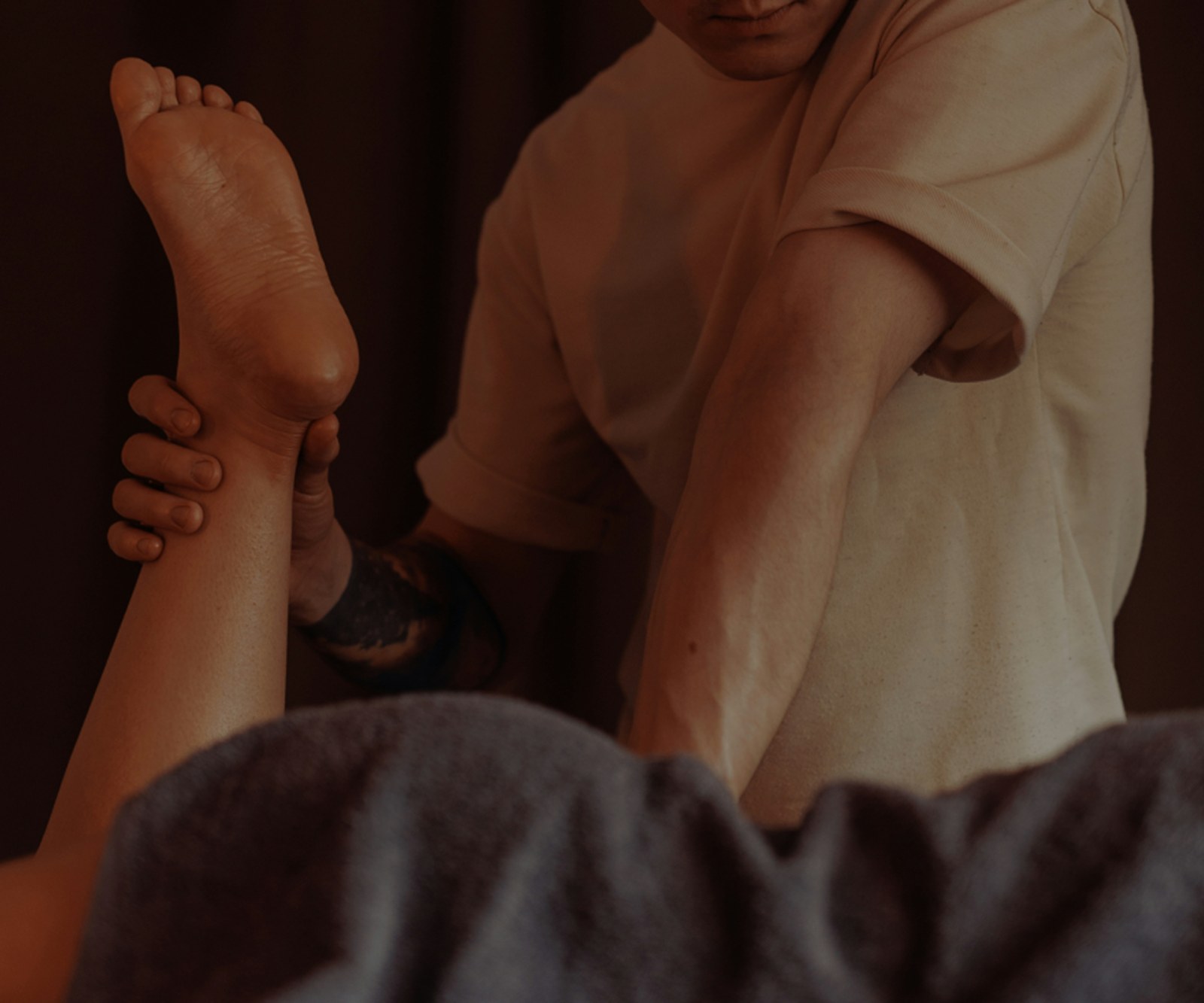
One Session Can Feel Great — But That Doesn't Always Mean the Work Is Finished
One of the most rewarding things about therapeutic massage is when a client gets off the table and immediately notices a difference.
The pain feels reduced. The area feels less restricted. Movement feels easier. Something they had stopped doing because of discomfort suddenly feels possible again.
Naturally, the client is happy. I am happy too.
But sometimes that immediate relief creates an expectation that one massage has solved a problem that has been present for months—or even years.
For clients living with chronic or persistent pain, I think it is important to understand that one or two massage sessions may provide meaningful relief without necessarily providing the lasting relief they are hoping for.
That doesn't mean the first massage failed. It may simply mean that we need to build on the progress the client experienced.
Piriformis Syndrome and Sciatic Nerve Pain: A Good Example
A good example is piriformis syndrome.
The piriformis is a muscle located deep in the buttock region, close to the sciatic nerve. In piriformis syndrome, the piriformis can irritate or compress the sciatic nerve. A person may experience pain or burning in the buttock, discomfort travelling down the back of the leg, and symptoms extending into the thigh or calf.
For someone who has been appropriately assessed and whose situation is suitable for massage, therapeutic work around the piriformis, gluteal muscles and surrounding tissues may be incorporated into the session.
Some clients may report considerable or even immediate relief after that work.
But immediate relief does not necessarily mean lasting relief.
If the area has been troublesome for a long time, follow-up massage sessions may be useful to build on the client's response, continue addressing muscular tension where appropriate, and adjust the treatment according to how the client is progressing.
This is also where professional judgment matters. Not every pain travelling down the leg is piriformis syndrome, and not every case of sciatic nerve pain or sciatic-type symptoms should simply be treated with massage. When a client's symptoms require medical evaluation or fall outside my scope, I refer them.
The Problem With “I Feel Better, So I'm Done”
I see another pattern in practice.
A client comes in with persistent pain. We work together. They feel considerably better after the massage.
I explain that because the problem has been present for some time, I recommend follow-up sessions so we can build on the progress.
But the client feels good now.
So they disappear.
Sometimes that is because the therapist did not explain clearly enough what the client should realistically expect. Sometimes the client understands the recommendation but decides not to continue.
Then weeks later—or months later—the pain returns, and occasionally the client comes back expecting the therapist to perform the same magic again.
Massage doesn't work like magic.
For persistent problems, consistency can sometimes be more useful than waiting until the discomfort becomes severe again.
A Client Who Had Pain Under His Big Toe for 19 Years
A few months ago, a client came to AmaniTouch with chronic pain underneath his right big toe—the hallux.
He told me he had lived with the pain for approximately 19 years.
It had begun interfering with his exercise. He couldn't perform his lunges properly because of the pain, so eventually he stopped doing them.
During the session, I carefully palpated the area. When I located the particularly sensitive spot, he told me something that stayed with me.
He said the only other practitioner who had palpated and identified that exact spot was an osteopath he had seen more than eight years earlier.
I worked carefully around the area and applied focused pressure according to what he could tolerate.
I won't pretend it was comfortable.
It was quite painful for him at times. Fortunately, he was able to communicate clearly with me and tolerate the work we agreed upon.
Then he went home.
The Following Week, He Called Me
He told me he was doing lunges again.
After 19 years of dealing with that painful area, he had experienced enough relief after the session to return to an exercise he had stopped doing.
I was genuinely happy for him.
But I also told him that because he had been dealing with the problem for such a long time, I did not want him to mistake the improvement after one session for the end of the process.
I recommended that we continue with follow-up sessions and build on the relief he was experiencing.
And then...
He disappeared.
Crickets.
Six Weeks Later, the Pain Was Back
After about a month, I followed up with him and didn't hear back.
Approximately six weeks later, he contacted me.
He wanted another appointment because the pain had returned.
This time, he told me the problem had become worse. He had also been wearing steel-toe work boots, which he felt were aggravating the area.
I felt bad for him, and we booked another session.
But something changed after that experience.
He understood why I had recommended continuity.
Since then, he has been consistent with his sessions. According to him, his pain has reduced significantly, and he is able to do his lunges and other activities again.
What I Notice as Treatment Continues
From my experience working with clients who live with persistent or chronic pain, later sessions can sometimes feel different from the first.
An area that was extremely tender or uncomfortable to work with initially may become more tolerable in later sessions.
The client may report less discomfort during the treatment, and I can adjust what I am doing according to how the area and the client respond.
That progression matters.
We are not simply repeating the exact same massage every time. We are responding to what has changed.
This Does Not Mean Everyone Needs Weekly Massage Forever
I want to be very clear about this.
I am not saying that every person with chronic pain needs a massage every week forever.
There is no magic number of sessions that applies to everybody.
People are different. Their health situations are different. Their pain is different. Their response to massage is different.
And, as I have said before, there are situations where massage is not the appropriate answer and the client needs to be referred to a physician or another healthcare professional.
What I believe in is a plan.
We look at what you are experiencing, how long it has been present, how you responded to treatment, what your goals are, and what makes sense going forward.
I Also Understand That Massage Costs Money
This part matters to me.
People have mortgages. Children. Groceries. Car payments. Work responsibilities. Life is expensive.
Massage therapy costs money too.
So when I recommend ongoing sessions, I also understand that the plan has to be realistic for the person sitting in front of me.
Maybe sessions are closer together initially and become less frequent as things improve.
Maybe biweekly sessions are more realistic than weekly sessions.
Maybe we have to work within a particular monthly budget.
At AmaniTouch, I would rather develop a treatment schedule that a client can realistically maintain than recommend something that simply doesn't fit their life.
Your health matters. But so does creating a plan you can actually follow.
Don't Wait Until You're Back at Square One
If you experience significant relief after one therapeutic massage, enjoy it. That is what we want.
But if you have been living with chronic or persistent pain for months or years, don't automatically assume that feeling better after one session means the problem is finished.
Talk with your massage therapist.
Discuss how you responded to the treatment and whether follow-up sessions may be appropriate.
The goal isn't to keep you coming for massages unnecessarily.
The goal is to build on progress where appropriate instead of repeatedly waiting until the pain becomes severe before seeking help again.
Living With Chronic Pain, Sciatic Nerve Pain or Persistent Muscular Tension?
At AmaniTouch, our Targeted Pain Relief Session provides focused therapeutic work based on your areas of concern, your response to treatment and your individual goals.
When ongoing sessions may be appropriate, we can develop a plan that considers your progress, your schedule and your budget.
Not sure whether massage is appropriate for what you're experiencing?
Start with our complimentary 15-minute Pain Assessment.
Book Your Complimentary Pain Assessment
AmaniTouch — Therapeutic Massage & Pain Relief | St-Constant, Delson, La-Prairie, Candiac
Share your thoughts privately
Your message goes privately to AmaniTouch and will not be published. Your name and email let us reply; they do not verify your identity. Please be respectful and do not include sensitive medical information.