AT's 2 Cents
Chronic Pain Is Not Acute Pain
Ofure Osifo ·

Why the difference matters — and why “chronic” does not simply mean really bad pain.
I thought I should share this because it has been weighing on my mind for a while.
Many of us don't really know the difference between acute pain and chronic pain.
Okay, before you judge me and ask, “How do you know?”
No, I don't have a scientific poll showing how many people know the difference. What I do have is my own very unscientific poll: conversations with clients, family and friends.
And I keep noticing the same thing. The word “chronic” gets thrown at almost every type of pain.
A client may come to see me and say, “I have chronic pain in my neck.” So, I ask, “How long have you had the pain?”
“About four days.”
That's when I respectfully explain that pain lasting four days would generally be considered acute pain, not chronic pain.
I've had this conversation enough times that I eventually realized something: Chronic is the fall guy, not the pain.
Maybe it's because of how serious the word chronic sounds. But chronic pain doesn't simply mean really bad pain. The terms acute and chronic primarily help describe how pain relates to time and its clinical course.
Acute Pain vs. Chronic Pain
| Acute Pain | Chronic Pain |
How long? | Usually short-term | Persists or recurs for more than 3 months |
How does it begin? | Often associated with an injury, illness, surgery or another recent event | May continue beyond expected healing or be associated with an ongoing condition |
Does severe pain mean chronic? | No. Acute pain can be very severe. | No. Pain doesn't have to be severe to be chronic. |
Example | Neck pain that started four days ago | Neck pain that has persisted or repeatedly returned for several months |
What should you do? | Pay attention to the cause, severity and symptoms; seek appropriate healthcare when needed | Consider appropriate healthcare assessment and a longer-term management approach |
So Why Does the Difference Matter?
Because saying “chronic pain” doesn't tell me how much pain you're experiencing.
Someone can have extremely intense acute pain, while another person may have relatively mild chronic pain that has persisted for months.
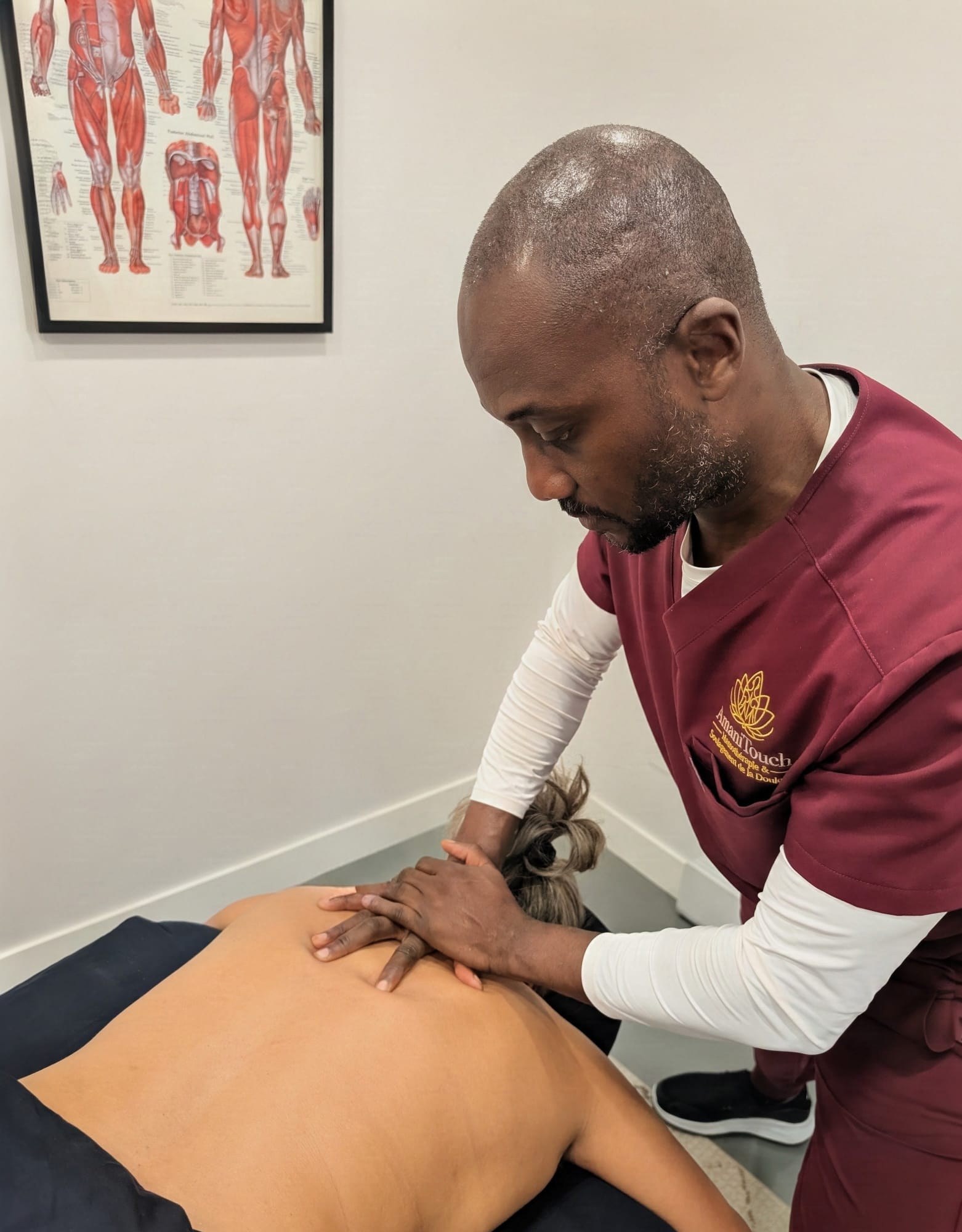
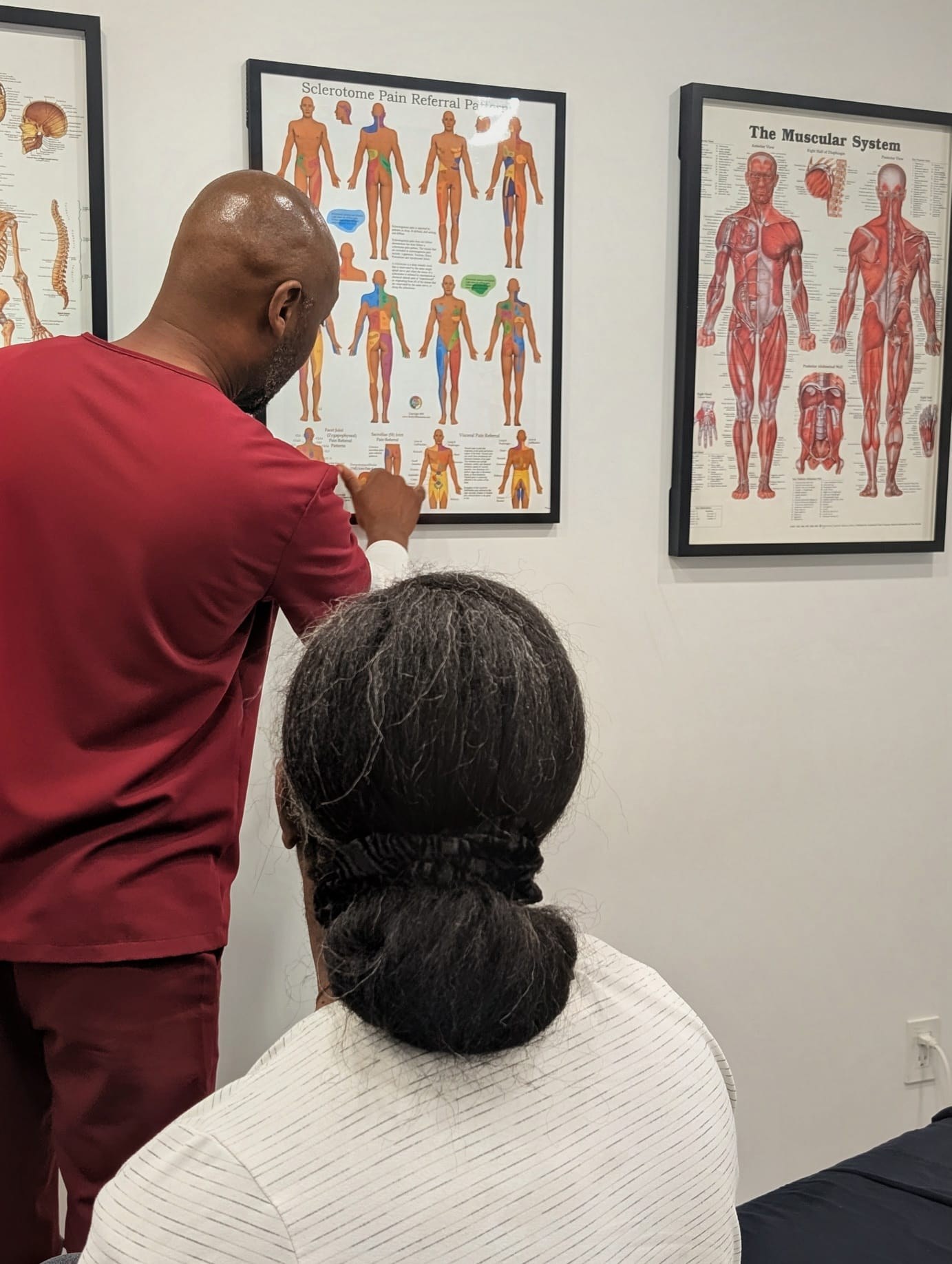
When you come to AmaniTouch, one of the questions I may ask is: “How long have you been experiencing this?”
That information helps me better understand what you're telling me and whether massage is appropriate — or whether what you're describing should first be evaluated by another healthcare professional.
And remember: massage therapists don't diagnose the cause of your pain.
So, the next time you wake up with neck pain that has been there for four days, before you announce, “My chronic neck pain is back!” chronic might look at you and say:
“Please, leave me out of this one. This one is Acute's problem.”
Not sure what type of massage may be appropriate? Book a complimentary 15-minute Pain Assessment.
AmaniTouch — Therapeutic Massage & Pain Relief | St-Constant, Québec, J5A 2B5
Share your thoughts privately
Your message goes privately to AmaniTouch and will not be published. Your name and email let us reply; they do not verify your identity. Please be respectful and do not include sensitive medical information.